Jeep Grand Wagoneer Wheels: Understanding Fitment, Style, and Original Specifications

There have been many vehicles that defined an era, and they ruled the roads. But their charm often fades with time. However, a few of them stand the test of time because what they offered was so futuristic and authentic that even modern vehicles can’t match them. The Jeep Grand Wagoneer is one of such vehicles. Its rugged charm and unmatched performance have left even the modern enthusiasts awestruck. Among all the elements that gave this vehicle such a unique identity and an undisputed ride quality, the Jeep Grand Wagoneer wheels hold a very significant position.
Since the number of people who want a perfect restoration of this vehicle is increasing, one needs to understand the wheels properly before proceeding. Every essential detail regarding these wheels needs thorough consideration because missing out on any of these can easily create a wide range of issues.
Understand Factory Wheel Specifications and Model-Year Differences
This is one of the most popular models of its time, so it was produced in numerous configurations over time. Given this diversity, one needs to properly understand the wheel dimensions, model, and year of production before they make a purchase.
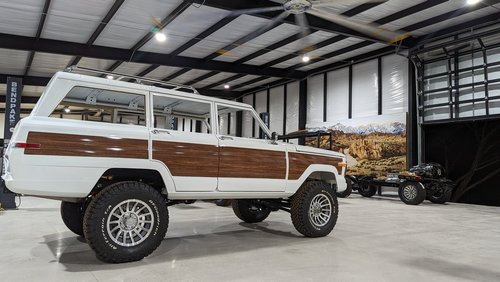
The late models of the SJ Grand Wagoneer featured 15-inch wheels. With the help of factory-style steel wheels and period-correct alloy designs, one can easily maintain the utilitarian appearance of this vehicle while meeting the demands of its body.
One point worth keeping in mind is the fact that every Grand Wagoneer does not come with the same specifications regarding the wheels. If one has a pre-owned model, they must pay extra attention because the previous owners might have changed the wheels, axles, and other components over time. In addition to the original documentation, one should also focus on the modifications that were made later on.
Bolt Pattern, Offset, and Backspacing Need More Attention Than People Think
There are three aspects that must be checked properly before selecting the desired replacement wheels. The most important thing about these aspects is that they work with each other. As a result, if there is even a slight mismatch, the entire wheel becomes incompatible. Let us have a detailed look at all these aspects:
Offset: It is the distance between the mounting surface of the wheel and its centerline. If there is a change in the offset, it can move the wheel inwards or outwards depending on whether the offset is more or less than required. In addition to impacting tire rubbing, an incorrect offset can also alter steering behavior and place extra load on the wheel bearings.
Bolt pattern: This one refers to the arrangement of the mounting holes of the wheels. It must exactly match the vehicle’s hub or axle mounting configuration. This needs extra attention; otherwise, the wheel will not fit.
Backspacing: It is the distance from the mounting surface of the wheel to its inner edge. With this measurement, one determines the available clearance between the wheel, suspension components, and brakes.
Choosing the Right Wheel Diameter and Width
The range of compatible tire sizes directly depends on the wheel diameter, and it also influences the overall ride quality. The cushioned ride of older SUVs comes from their 15-inch setup that easily accommodates tires with relatively tall sidewalls.
Modern appearance can be achieved with the help of larger wheels, but they may need lower-profile tires. Though this combination may suit the needs of some enthusiasts, lower-profile tires usually provide less cushioning against potholes and road impacts, which directly changes the ride characteristics of the vehicle.
Wheel width matters, too. A tire must be approved for the wheel's width, and the complete assembly needs sufficient clearance during steering and suspension movement. Wider wheels are not automatically better, particularly on a vehicle designed around a specific factory setup.
Keeping Wheel Selection True to the Grand Wagoneer's Character
The appeal of the Jeep Grand Wagoneer wheels lies in its balance of comfort, capability, and classic American luxury. Wheel selection influences how effectively that balance is preserved. Correct dimensions, suitable tires, appropriate load ratings, and attention to period styling all contribute to a coherent result.
Whether you want to maintain factory specifications or want an alternative setup, start with the vehicle's model year and verified measurements. A wheel that fits correctly and complements the original design will generally be a more considered choice than one selected on appearance alone.
Visit now:: https://www.vigilante4x4.com/

Comments
Post a Comment